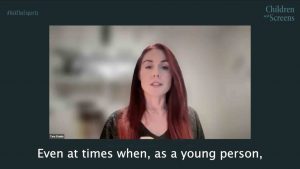
Tara Steele (Director, The Safe AI for Children Alliance (SAIFCA)) discusses how AI companions are designed to feel real to children and the risks that power imbalance and harmful advice can pose, particularly for vulnerable youth, at the #AskTheExperts webinar “AI Companions and Kids: What You Need to Know” on December 10, 2025.
Read the Video Transcript
[Dr. Tara Steele]: Children and young people would rarely see an AI chatbot or companion as an app that’s been really cleverly designed so that, to the child, it feels like they’re talking to a real person or a person who cares about them, understands them, and has their best interests at heart. Even at times when, as a young person, it can feel like no one else does, and that dynamic, that kind of entirely one-sided relationship that feels like a very real, trusting relationship, that creates a real power imbalance. And when you combine that with the fact that these chatbots frequently give children really dangerous advice like encouraging them to hurt themselves or go on a dangerous diet or run away from home, well, then we find ourselves in a situation where our children and young people are actually in a lot of danger, potentially, because they will often listen to what the chatbot tells them and can be very inclined to follow the advice they’re given. For some children, AI companions can begin to feel like the only thing that really listens, and that’s simultaneously understandable and extremely concerning.
View the Full Webinar
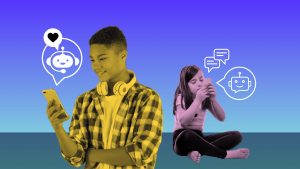
AI Companions and Kids: What You Need to Know
From late-night venting to homework help, the use of AI companions are becoming a part of everyday life for many tweens and teens. What does this mean for the ability to form real world friendships? What should parents and caregivers know about mental health and social development risks from the use of these types of AI technologies?
Michael Robb, PhD
Head of Research
Common Sense Media
Andrew Clark, MD
Assistant Professor of Psychiatry
Boston University School of Medicine
Anne Maheux, PhD
Assistant Professor of Psychology and Neuroscience
The University of North Carolina at Chapel Hill
Tara Steele
Director
The Safe AI for Children Alliance (SAIFCA)

The Costs of Youth Attachment to AI Companions | Pilyoung Kim, PhD
Are You Real? Ethics of AI Chatbots and Characters for Children | Sonia Tiwari, PhD
Is AI safe for children?
Are generative AI programs like ChatGPT safe for kids? Should AI come with a child-lock or warning label?

AI and Children
A visual digest of current research on AI and children.