
Screen time is woven into modern family life, and new national data show that parents’ choices about screens often reflect the everyday realities of caregiving, from preparing meals and managing household responsibilities to calming an upset child or simply finding a few minutes to themselves.
A new fact sheet from the Stanford Center on Early Childhood’s RAPID Survey Project, developed in collaboration with Children and Screens: Institute of Digital Media and Child Development, provides a glimpse into how and why families with young children use screens and the tradeoffs many parents navigate along the way.
“Families with young children describe their screen time experiences” draws on responses from parents of children under age 6 who participated in national RAPID household surveys in May and July 2025. Children and Screens partnered with the Stanford Center on Early Childhood to develop survey questions examining families’ experiences with screen media.
“Screen use doesn’t happen in a vacuum,” said Kris Perry, Executive Director of Children and Screens. “Parents are making decisions in real time to balance their kids’ screen use while also making dinner, working, managing household tasks, and trying to make ends meet. These findings underscore why screentime guidance for families needs to reflect the realities of parenting, including under what circumstances families use them.”
Parents are using screens as practical caregiving tools
Nearly two in three parents surveyed (65%) reported using screen media once a week or several times a week to keep their children occupied when they needed time for themselves, including time to prepare meals, clean, pay bills, or manage other household and caregiving responsibilities.Forty-one percent of parents used screens at least weekly as a reward for good behavior, while 29% used them at least weekly to help children calm down when upset. Use for calming was somewhat more common among parents of infants and toddlers than among parents of preschool-age children.
Parents’ written responses added important context to the numbers. Many described trying to set thoughtful limits around screen use while also relying on screens to manage work, household responsibilities, child care needs, stress, and other demands.
The findings illustrate how screen use can serve multiple functions within a family, rather than reflecting a single choice about whether or how much children should use technology.
“Parents are telling us they want to be intentional about screen use, even as they rely on it to get through the demands of the day,” said Philip Fisher, PhD, director of the Stanford Center on Early Childhood. “Their responses show why we need to understand the choices available to families in those moments and give them practical support to build healthy media habits.”
Parents are navigating their own technology use too
Parents also reported challenges managing their own device use. When asked how often they felt distracted by their own devices while spending time with their children, 40% of parents reported feeling distracted some days, 24% most days, 13% every day, and 9% several times a day. Only 15% reported rarely feeling distracted by their devices when spending time with their children.
At the same time, screen use was frequently a shared family experience. Although 51% of parents said their children had devices they could use independently, 96% reported using screen-based devices together with their children at least some of the time, and 42% said they did so very often or always.
The findings reinforce a growing body of research suggesting that understanding children’s media experiences requires looking beyond time alone to consider the broader context of use, including what children are doing on screens, the content they encounter, and whether caregivers are participating in the experience. The report notes that joint media engagement, such as co-viewing and teaching alongside media use, can strengthen positive screen experiences.
Guidance for families should reflect the realities of family life
Taken together, the findings portray parents who are actively thinking about their families’ technology use while navigating competing demands, limited time, and differing levels of support. The report concludes that screens and digital media are firmly embedded in family life and that parents’ choices are shaped by both daily demands and access to support. Understanding those circumstances can help inform policies, programs, and guidance that better support families with young children.
Evidence-based guidance remains important, but helping families develop healthy media habits cannot rest on parents alone. Families of young children also need broader community support that give caregivers realistic options for managing the demands of daily life, alongside high-quality digital content designed to support children/s healthy development when screens are used.
About the Research
The analysis is based on responses collected from 1,021 caregivers through the Stanford Center on Early Childhood’s RAPID Survey Project in May and July 2025. Participants included caregivers from a range of racial, ethnic, and socioeconomic backgrounds. Analyses were weighted to match the known population. RAPID surveys are national in scope but are not technically nationally representative. The data are self-reported and reflect families’ experiences at particular points in time.
About Children and Screens
Children and Screens: Institute of Digital Media and Child Development is an independent nonprofit organization dedicated to advancing and translating interdisciplinary research on the impact of digital media on children and adolescents. Through research, public education, and evidence-based guidance, Children and Screens helps families, educators, clinicians, policymakers, and others make informed decisions that support children’s health and well-being in an increasingly digital world.
About the Stanford Center on Early Childhood
The Stanford Center on Early Childhood aims to see each and every child thrive from the start—and that begins with the families, educators, and communities that surround them. Its RAPID Survey Project collects timely data from parents of young children, child care providers, and pediatric health care providers across the country. The RAPID Survey Project is based at the Stanford Center on Early Childhood under the direction of Philip Fisher, PhD, Director of the Center.
Media Contact:
Jon Bleicher
[jon@prospectpr.com, 973-330-1711]
New National Data Highlight Real-Life Tradeoffs Behind Screen Time for Families With Young Children
Survey from Stanford Center on Early Childhood and Children and Screens indicates parents rely on screens as practical caregiving tools while navigating concerns about healthy media use
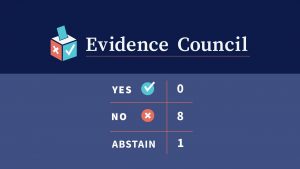
Experts Vote 8–0 Against Phones and Tablets in Children’s Bedrooms Overnight
Children and Screens Evidence Council finds strong consensus against allowing devices in children's bedrooms overnight
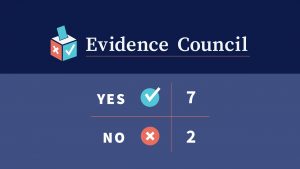
Experts Vote 7–2 in Favor of Screen-Free Pre-K Classrooms
Children and Screens Evidence Council finds strong support for making Pre-K classrooms screen-free
Experts Vote 7–2 in Favor of Bell-to-Bell Smartphone Bans in Schools
Children and Screens Evidence Council finds strong support for full-day restrictions, with calls for flexibility and further research
Experts Vote 7–2 to Support Parental Permission for Minors Using AI Companion Platforms
Children and Screens Evidence Council finds growing risks for youth amid rapid adoption and limited safeguards