
Digital technology use can impact children’s physical development by affecting their well-being in a number of ways.
Sleep
Infants need about 12-16 hours of sleep daily, and teens need about 8-10 hours. Too little sleep or poor sleep quality can affect kids’ weight, brain development, mental well-being, and energy.
While screen use before bed might feel like an opportunity to “wind down,” it can have the opposite effect on children by “overexciting” them. Research shows this can make sleep difficult and delay bedtime, leading to lost sleep. Overnight device notifications are another commonly reported sleep disruptor.
Bodily Health
Too much screen time (more than one hour a day for kids ages 2–5, or more than two hours a day for those over age five) can affect children’s bodily health. Sitting for long periods means kids move less, and is often also linked to unhealthy eating habits. Not getting enough activity and proper nutrients can make bones weaker, increasing the risk of fractures, joint problems, and long-term bone issues later in life. Being less active and eating poorly also raises the risk of obesity and other health problems, like diabetes, heart issues, and higher stress levels.
Healthy Teeth and Eyes
Research shows that children who spend significant time on screens are more likely to snack on sugary foods and drinks, which can increase the risk of tooth decay. Stressful or intense digital activities, like fast-paced video games, can also make kids clench or grind their teeth without realizing it, wearing teeth down and causing jaw pain.
Looking at screens for several hours a day can strain the eyes, too, making them feel tired, dry, or uncomfortable. While eye strain usually doesn’t cause permanent damage, spending too much time on screens increases your child’s risk of developing nearsightedness. Long, uninterrupted sessions with a small screen in close proximity has been linked to increased vision issues.
Physical Movement
Too much screen time can affect kids’ motor development by displacing other normal physical movements. Big movements, like crawling or running, and small movements, such as using fingers precisely, may be disrupted when children spend a lot of time on screens. Using touchscreens frequently can limit how children use their hands in different and complex ways.
This lack of movement and constant device use can also strain muscles and joints. Looking down at a phone or tablet puts pressure on the neck, and leaning over devices can lead to back pain.
Driving Safety Risks
Another major safety concern is digital distraction in cars. Using a smartphone in the car—even for hands-free talking—can take attention away from the road and increase the risk of accidents for both drivers and passengers. Research has found that even though teens understand that using a phone while driving is unsafe, they often report talking, texting, or using social media apps while driving anyway.
Good nutrition and healthy choices, being more active, cutting down screen time, it’s a process. It’s not how you parent one day, it’s how you parent over a week or a month. Don’t judge yourself in the process, let go of perfection, and slowly work towards these health goals.

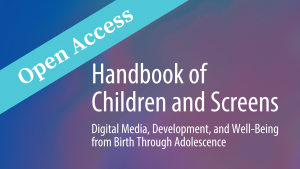
Screens and Physical Health: Summary and Recommendations
Summary and Recommendations found in the "Handbook of Children and Screens: Digital Media, Development, and Well-Being from Birth Through Adolescence," Part One: Research Concerning Cognitive, Physical, Mental, and Psychosocial Impacts on Children, Screens and Physical Health Section (pages 61-116)

Healthy Habits: Fostering Physical Health in a Digital World
What does physical wellness look like in an increasingly digital world?

Online Marketing and Child Eating Habits: What to Know and What To Do
Children today face a nonstop stream of sophisticated online marketing techniques that look nothing like the TV jingles and commercials of the past. How can parents safeguard children from the impacts of this endless, ever-present influx of food marketing content?

Sleep and Screens
A visual digest of current research on sleep and screens.

Eyes on Screens: Maintaining Your Kids’ Ocular Health in a Digital World
How does screen time affect children's eye health?
How are Children Impacted by Deepfakes?
How are deepfakes created? How might kids be affected by deep fakes? What can parents and caregivers do?

How Do Advertisers Target Kids Online?
Why are children and teens particularly susceptible to the influence of persuasive advertising? In what ways do advertisers prey on young people’s emotions and desire for peer acceptance? How do algorithms on digital platforms use the data they collect from youth to show targeted ads?
Does Digital Media Use Affect Kids' Physical Health?
How does digital media use affect kids' physical health and development?

What is Sharenting?
What is “sharenting”? Are there benefits? What are the risks? How can parents post about their kids safely?

What is Sextortion?
What is sextortion and how does it work? What makes sextortion dangerous for youth? How can parents protect their children from sextortion?

What is Technoference?
How does mobile technology affect parent-child relationships? Are kids and parents both affected by these digital distractions?